Quick intro for Issaquah homeowners
If your garage door isn’t acting right, this troubleshooting guide can help. For homeowners in Issaquah, WA, basic checks often fix the problem or tell you when to call a pro. This article focuses on practical garage door repair steps, common causes, preventive maintenance, and when a professional residential service is required. If you need immediate assistance, use our contact page to reach a local technician.
Common problems and what to check first
Door won’t move or remote won’t work
Start simple: test batteries, wall switch, and power at the opener. Unplugging and plugging the opener or pressing the manual release can reveal whether the issue is electrical or mechanical. If the opener hums but the door does not move, the problem could be drive gears or a stripped sprocket—common causes that need timely garage door repair to avoid further damage.
Door reverses or stops midway
Sensors misalignment or dirt on the photo-eye lenses often causes doors to reverse. Inspect sensors at both sides of the door near the floor. Clean lenses with a soft cloth and check for obstructions. Adjust the alignment screws until the sensor lights indicate they face each other correctly. If the problem persists, wrong force settings or worn springs can be the culprit and will need professional attention.
Door is noisy, shakes, or rubs
Rattling, grinding, or scraping sounds usually point to loose hardware, worn rollers, or dirty tracks. Tighten fasteners, clean tracks, and lubricate moving parts with a silicone-based or lithium grease designed for garage doors. If you hear a loud snap or the door sags to one side, stop and schedule garage door repair immediately—those signs often indicate a broken spring or cable under tension.
Step-by-step troubleshooting checklist
Work through these checks in order to rule out easy fixes before calling for paid service:
- Power and controls: Confirm the opener has power, replace remote batteries, and test the wall switch.
- Safety sensors: Clean and realign photo-eyes; remove debris around tracks.
- Manual operation: Use the emergency release to see if the door moves freely by hand—if not, the issue is mechanical.
- Hinges, rollers, and tracks: Tighten loose bolts, clean the track channel, and replace broken rollers.
- Springs and cables: Never attempt to adjust or replace torsion or extension springs yourself—those are dangerous and require certified garage door repair technicians.
Small electrical issues you can test safely
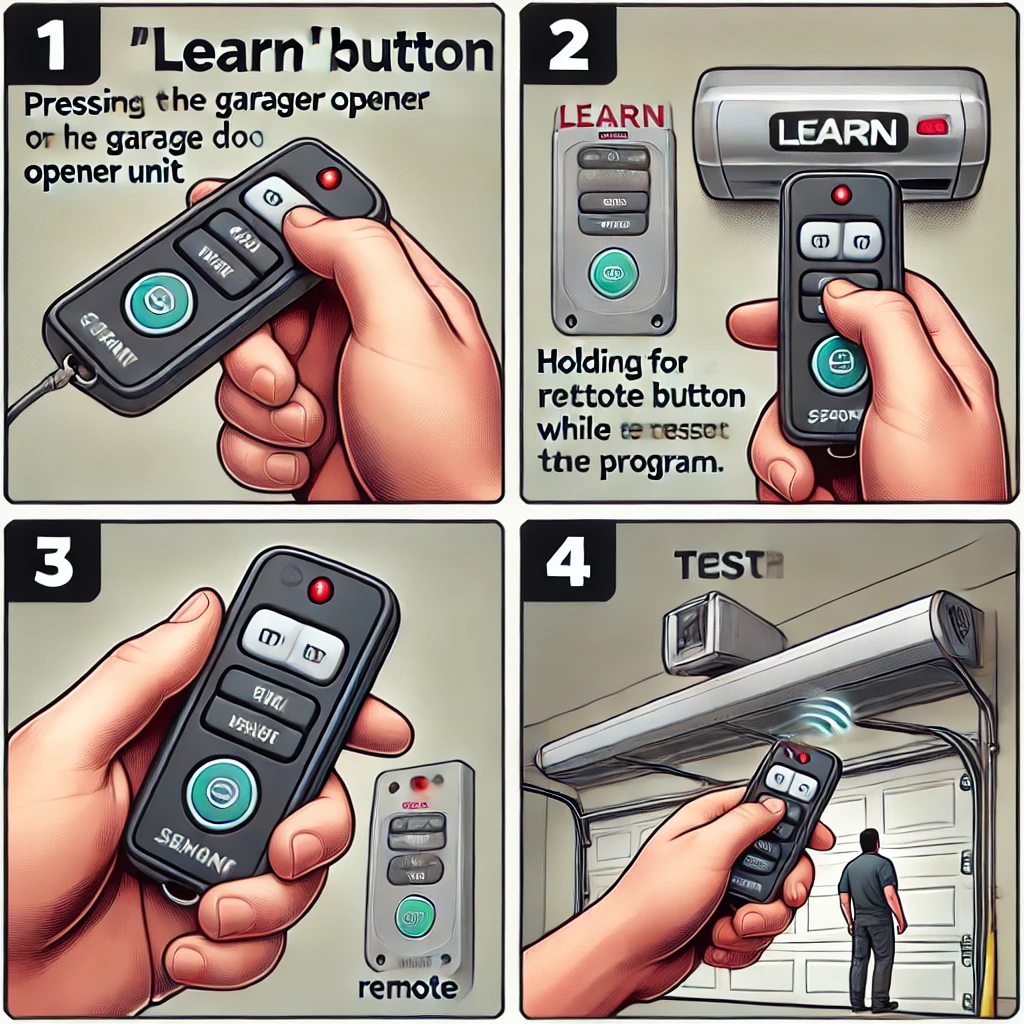
Check the circuit breaker and any GFCI outlets that feed the opener. Inspect visible wiring for obvious damage. If a replacement remote still won’t operate the door but the wall control does, the opener may need a receiver reprogram or service.
Local factors that affect garage doors in Issaquah
Issaquah’s wet winters and coastal-influenced climate accelerate corrosion and track buildup. Wood doors can swell with humidity and stick in frames; metal components may rust more rapidly than in drier climates. Snow and ice can jam bottom seals and tracks, and falling pine needles or debris from tall trees can block sensors.
Seasonal maintenance for the Pacific Northwest
- Late fall: Clear gutters and trim overhanging branches to keep debris out of tracks.
- Early spring: Inspect for rust and lubricate rollers, hinges, and bearings.
- Winter readiness: Install weatherstripping and check the threshold seal to prevent ice buildup.
For a deeper look at maintenance schedules and seasonal tips, our blog has local-focused articles and how-to photos.
When to call a professional residential service
Some problems need licensed garage door repair technicians in Issaquah, WA. Call a pro if you see any of the following:
- Broken torsion or extension springs (dangerous to handle).
- Snapped cables or visibly frayed cables under tension.
- Opener motor failure with burning smells or smoke.
- Doors that are off-track, sagging, or uneven after manual release.
- Safety sensor failures that won’t reset after cleaning and realignment.
Licensed technicians have the right tools and parts to restore balance, replace springs safely, and recalibrate openers. For a list of services and repairs we offer, see our services page.
Expected timelines and onsite work
Most common garage door repairs—roller replacement, sensor realignment, hardware tightening—are completed in 1–2 hours. Spring or cable replacements usually take 1–3 hours depending on door size and parts availability. If parts need ordering, expect a few days’ turnaround. Always ask for an estimated completion time when you book service.
Cost guidance, safety, and warranties
Pricing in Issaquah varies by part and labor. Typical ranges you can expect locally:
- Minor adjustments, sensor work, or remote reprogramming: low-to-mid range service fee.
- Roller or hinge replacement: modest parts plus an hour or two of labor.
- Spring replacement: mid-range cost due to part price and safety labor.
- Full door replacement or major opener swap: higher investment but adds value for home improvement projects.
Always request a written estimate that lists parts, labor, and any warranty. Reputable residential service providers in WA will offer warranties on parts and labor—confirm terms before the technician begins work.
Preventive steps homeowners can do now
Routine maintenance keeps repair needs—and costs—down:
- Lubricate moving parts twice a year.
- Test safety sensors monthly and clean lenses.
- Listen for new noises and fix loose bolts quickly.
- Keep tracks clear and check weather seals seasonally.
If you prefer a pro inspection, schedule an annual tune-up to catch wear before it becomes an emergency.
For urgent or complex problems in Issaquah, reach out through our contact page and a certified technician will advise next steps.
Frequently Asked Questions — Issaquah, WA
Q: How does Issaquah weather affect garage doors?
A: Rain and humidity accelerate rust and can make wooden doors swell. Clear tracks, install good weatherstripping, and schedule spring lubrication to reduce problems.
Q: How long does a typical garage door repair take in town?
A: Most minor repairs (sensors, rollers, remotes) take 1–2 hours. Spring or cable work typically requires 1–3 hours. Parts availability can add a day or two.
Q: What price range should Issaquah homeowners expect?
A: Small adjustments and sensor fixes are low-cost. Spring replacements and opener swaps are mid-to-high range. Get a written estimate before work begins.
Q: Do I need a permit to replace my garage door in Issaquah?
A: Simple repairs usually don’t need permits. Full replacements or structural changes may require local permits—check with Issaquah building services or ask your contractor to confirm.
Q: What warranties should I look for from a local service?
A: Ask for written warranties on parts and labor. A reliable residential service in WA will provide clear warranty terms for springs, openers, and installed parts.
Helpful local resources in Issaquah, WA
- Garage Door Repair Seattle
- Garage Door Repair Bellevue
- Garage Door Repair Redmond
- Garage Door Repair Kirkland
- Garage Door Repair Mercer Island
- Garage Door Repair Edmonds
- Garage Door Repair Issaquah
- Garage Door Repair Tacoma
- Garage Door Repair Everett
- Garage Door Repair Bothell
- Garage Door Repair Sammamish
- Garage Door Repair Renton
- Garage Door Repair Lynnwood
- Garage Door Repair Woodinville
- Garage Door Repair University Place
- Garage Door Repair Gig Harbor
- Garage Door Repair Lakewood
- Garage Door Repair Puyallup
- Garage Door Repair Mukilteo
- Garage Door Repair Vancouver
- Garage Door Repair Kenmore
- Garage Door Repair Burien
- Garage Door Repair Auburn
- Garage Door Repair South Hill
- Garage Door Repair Yarrow Point
- Garage Door Repair Clyde Hill
- Garage Door Repair Port Townsend
- Garage Door Repair Duvall
- Garage Door Repair Snoqualmie