Seasonal care to avoid costly garage door repair in Issaquah, WA
If you live in Issaquah, WA, seasonal attention will reduce emergency calls and extend the life of your garage system. This guide focuses on practical, low-cost steps homeowners can take to prevent common garage door repair needs and recognize when to contact a pro.
Why seasonal maintenance matters
Pacific Northwest weather — rain, cold snaps, and occasional windstorms — creates conditions that accelerate wear on garage doors. Moisture, debris, and temperature swings affect springs, rollers, seals, and electronics. Routine seasonal maintenance lowers the chance of sudden failure and keeps your garage doors operating safely.
Spring and summer checklist
Use the longer days to inspect and maintain components that were stressed over the wet months.
- Visual inspection: Look for rust, bent tracks, loose hardware, and frayed cables.
- Lubrication: Apply a silicone or lithium spray to rollers, hinges, and bearings. Avoid heavy greases on electronics.
- Balance test: Disconnect the opener and lift the door halfway. It should hold; if it falls or rises, springs may need adjustment.
- Weatherseal check: Replace cracked bottom seals to keep water and pests out and improve insulation.
- Opener maintenance: Test auto-reverse and clean sensors of dirt and spider webs.
For installation updates, insulation upgrades, or replacing worn parts, our detailed service options are listed on our services page.
Fall and winter checklist
Cold weather and frozen components are frequent causes of garage door repair calls in Issaquah. Pre-winter checks reduce these risks.
- Seal gaps: Replace or add threshold seals before the first freeze to prevent water intrusion and ice formation.
- Beat moisture: Clear standing water near the door and slope soil away from the foundation.
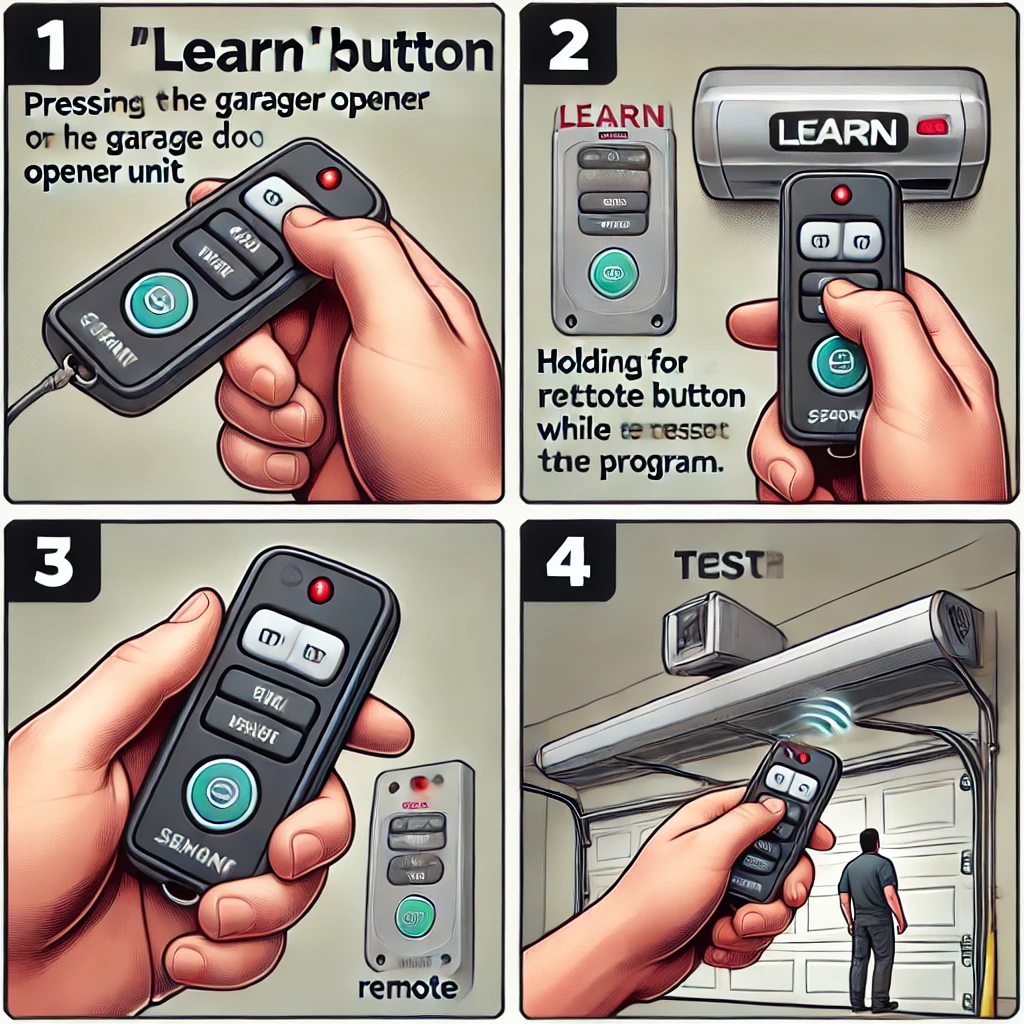
- Test batteries: Replace remote and keypad batteries so you aren’t left out in the cold.
- Heat-sensitive parts: Inspect nylon rollers and weatherstripping for brittleness after several freezes.
- Emergency plan: Know how to disengage the opener safely; practice manual operation with family members.
Preventing frozen tracks and cables
Ice on tracks binds moving parts. Clean tracks, dry them, and apply a thin film of silicone spray. Never pour hot water on frozen parts — it can refreeze and trap the door.
Monthly quick tasks every homeowner can do
Spend 10–20 minutes monthly to spot issues early.
- Listen for unusual noises during operation.
- Check that all fasteners are tight.
- Operate the door and watch for jerky motion or uneven travel.
- Wipe sensors and check alignment (a misaligned sensor often stops the door).
When to call a professional for garage door repair
Some jobs are hazardous and need trained technicians. Call a pro if you notice:
- Broken or stretched springs.
- Snapped cables or frayed ends.
- Severe panel damage after a collision or storm.
- Opener motor smoke, burning smells, or electrical faults.
For fast scheduling or emergency response in Issaquah, contact us directly — we’ll triage and dispatch a trained technician. You can contact us for service windows and diagnostic visits.
Parts, warranties, and expected timelines
Understanding typical parts life helps plan budgets and avoids surprises. Typical lifespans (with seasonal maintenance) in the Puget Sound climate:
- Extension and torsion springs: 7–12 years (varies with cycles and salt air exposure).
- Rollers: 5–10 years depending on type (nylon lasts longer than steel).
- Openers: 10–15 years based on usage.
Small repairs (springs, cables) are often completed the same day. More extensive jobs (panel replacement, new opener) can take 1–3 days depending on parts availability. Always ask your technician about parts warranties and labor guarantees before work begins.
DIY safety — what to avoid
Working on springs and cables without the right tools and training is dangerous. Avoid these DIY fixes:
- Attempting spring adjustments without proper winding bars.
- Cutting or retying cables instead of replacing them.
- Using household lubricants like cooking oil — they gum up and attract dirt.
If you’re unsure about a task, schedule a professional inspection. We offer clear estimates so you can weigh DIY vs. pro repair.
Energy savings and home improvement opportunities
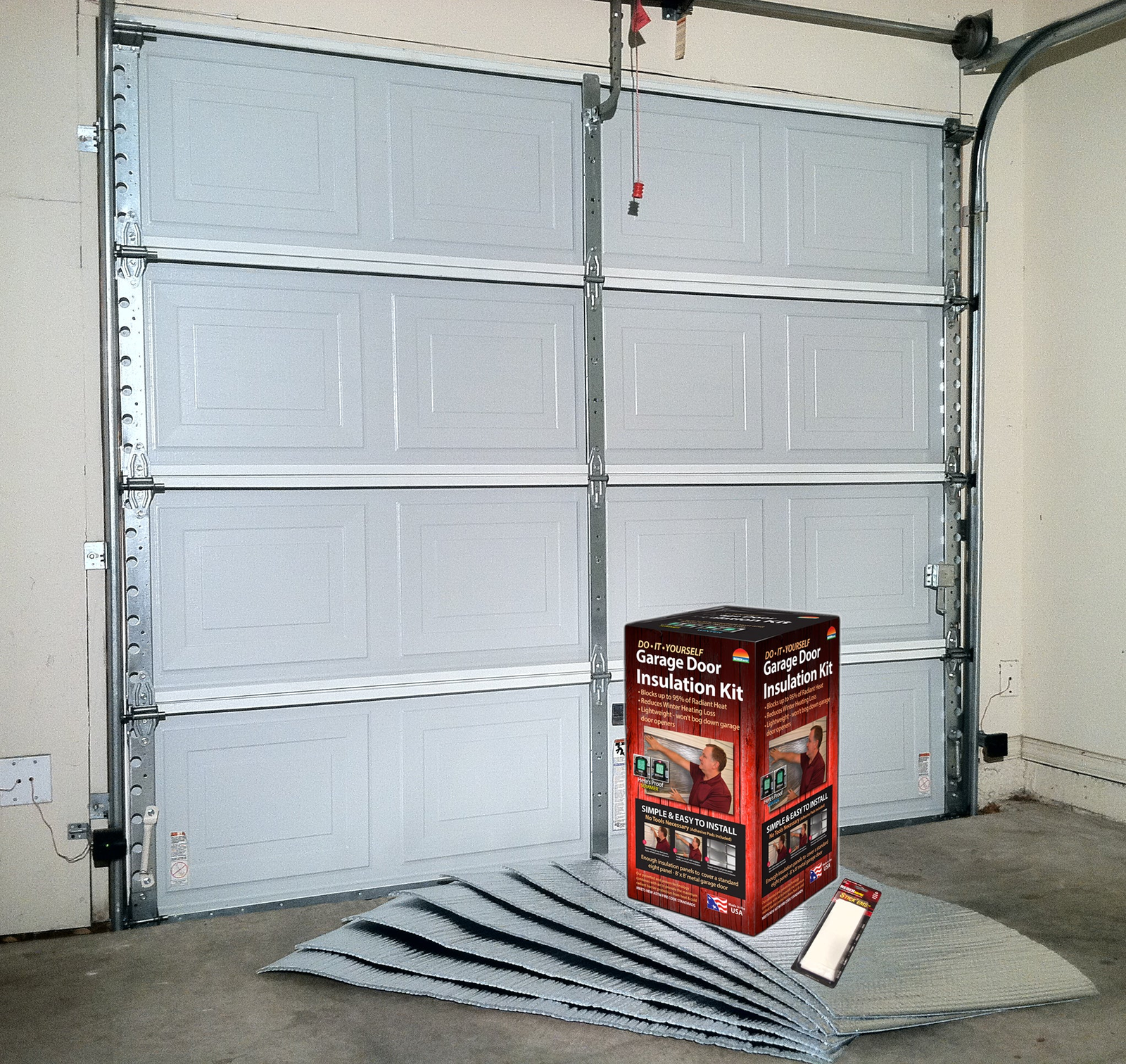
Replacing worn weatherstripping, adding insulation to sectional doors, or switching to a higher-efficiency opener can lower garage heat loss and reduce strain on HVAC systems. These home improvement upgrades also improve resale appeal.
Local considerations for Issaquah homeowners
Issaquah gets more freeze-thaw cycles than lower-elevation neighborhoods. That can loosen fasteners and accelerate rust. Keep a seasonal log: note the date of service, technician recommendations, and parts replaced. A short record helps identify patterns and plan replacements before failures.
More seasonal resources
We publish quarterly checklists and seasonal alerts to help homeowners stay ahead of local weather impacts — see the latest in our blog for step-by-step photos and videos.
Final quick checklist before each season
- Run an opening/closing test and listen for odd noises.
- Inspect cables, springs, and tracks for corrosion or wear.
- Check and replace seals and batteries as needed.
- Schedule a professional inspection if you detect imbalance, slow travel, or safety failures.
Regular seasonal attention reduces the number of sudden garage door repair visits and keeps your system reliable through Issaquah’s wet winters and mild summers. If a repair is needed, trained technicians can diagnose quickly and recommend the most cost-effective path forward.
Frequently asked questions — Issaquah, WA
Q: How does Issaquah weather affect garage door springs?
A: Repeated wet-to-cold cycles accelerate corrosion and cycle fatigue. Expect springs to wear faster if seals and coatings are not maintained. Regular lubrication and seasonal inspections catch early signs before a sudden break.
Q: How quickly can I get a same-day garage door repair in Issaquah?
A: For common issues like broken springs, cables, or sensor failures, same-day appointments are often possible when parts are in stock. Storm weekends may extend wait times; call early to reserve a slot.
Q: What is a typical price range for basic spring replacement?
A: In the local market, single spring replacement can range based on type and door size. Torsion springs generally cost more than extension springs. Contact us for an accurate, written estimate for your model.
Q: Do residential garage door repairs in Issaquah require permits?
A: Most routine repairs (springs, rollers, openers) do not need permits. Structural changes or new door installations may have local code requirements. We can advise if a permit is required and help with documentation.
Q: Are parts and labor under warranty after a service visit?
A: Warranties vary by part and vendor. We provide details on parts warranties and offer a labor guarantee on our work—always confirm terms before authorizing service.
Helpful local resources in Issaquah, WA
- Garage Door Repair Seattle
- Garage Door Repair Bellevue
- Garage Door Repair Redmond
- Garage Door Repair Kirkland
- Garage Door Repair Mercer Island
- Garage Door Repair Edmonds
- Garage Door Repair Issaquah
- Garage Door Repair Tacoma
- Garage Door Repair Everett
- Garage Door Repair Bothell
- Garage Door Repair Sammamish
- Garage Door Repair Renton
- Garage Door Repair Lynnwood
- Garage Door Repair Woodinville
- Garage Door Repair University Place
- Garage Door Repair Gig Harbor
- Garage Door Repair Lakewood
- Garage Door Repair Puyallup
- Garage Door Repair Mukilteo
- Garage Door Repair Vancouver
- Garage Door Repair Kenmore
- Garage Door Repair Burien
- Garage Door Repair Auburn
- Garage Door Repair South Hill
- Garage Door Repair Yarrow Point
- Garage Door Repair Clyde Hill
- Garage Door Repair Port Townsend
- Garage Door Repair Duvall
- Garage Door Repair Snoqualmie