Homeowners in Issaquah, WA need clear guidance on garage door maintenance to avoid sudden failures and costly emergency calls. This guide explains when to replace common parts, what to watch for in our wet Northwest climate, and how timely service can extend the life of your system.
Why timely replacement matters
Garage door maintenance is about safety, convenience, and protecting your home investment. A worn torsion spring, frayed cable, or failing opener can leave your vehicle trapped or create a safety hazard for family members. Replacing parts before they fail prevents damage to the door panels, opener motor, and track system.
Common parts that need replacement—and when
Below are the parts Issaquah homeowners most often replace, with practical signs and local timing considerations.
Torsion and extension springs
Springs do the heavy lifting. In most residential systems springs are rated by cycles (one open + one close). Typical torsion springs last 10,000–20,000 cycles; in busy households that can be 5–12 years. Replace springs immediately if you notice:
- A loud snap or sudden door imbalance.
- Visible gaps, rust pitting deep into the coil, or distorted winding cones.
- Door slams down or is hard to lift manually.
Because springs store dangerous energy, replacement should be performed by a trained technician to avoid injury and further damage.
Cables and drums
Lift cables work with springs to move the door. Replace cables if you see:
- Fraying, birdcaging, or broken strands.
- Visible rust that weakens the wire.
- Uneven winding on drums or slipping during operation.
Cable failure often follows spring stress—if you replace a spring, check cables and drums at the same time.
Rollers and hinges
Rollers and hinges wear from friction and West Coast moisture. Replace rollers when:
- The door is noisy, jerky, or tracks show wear marks.
- Rollers are visibly chipped, flat-spotted, or bearings seized.
Modern nylon rollers reduce noise and require less frequent replacement than older steel rollers in wet climates.
Weather seals and bottom rubber
Issaquah’s rainy season accelerates seal wear. Replace bottom seals and perimeter weatherstripping when you find:
- Cracks, hardening, or holes that let water or drafts in.
- Insects or light entering under the door.
New seals improve insulation and keep salt, grit, and moisture from accelerating other wear.
Opener components (motor, drive, and belts)
Opener issues present differently depending on the drive type. Signs it’s time to replace or repair opener parts include:
- Smoky smells, overheating motor, or burnt electronics.
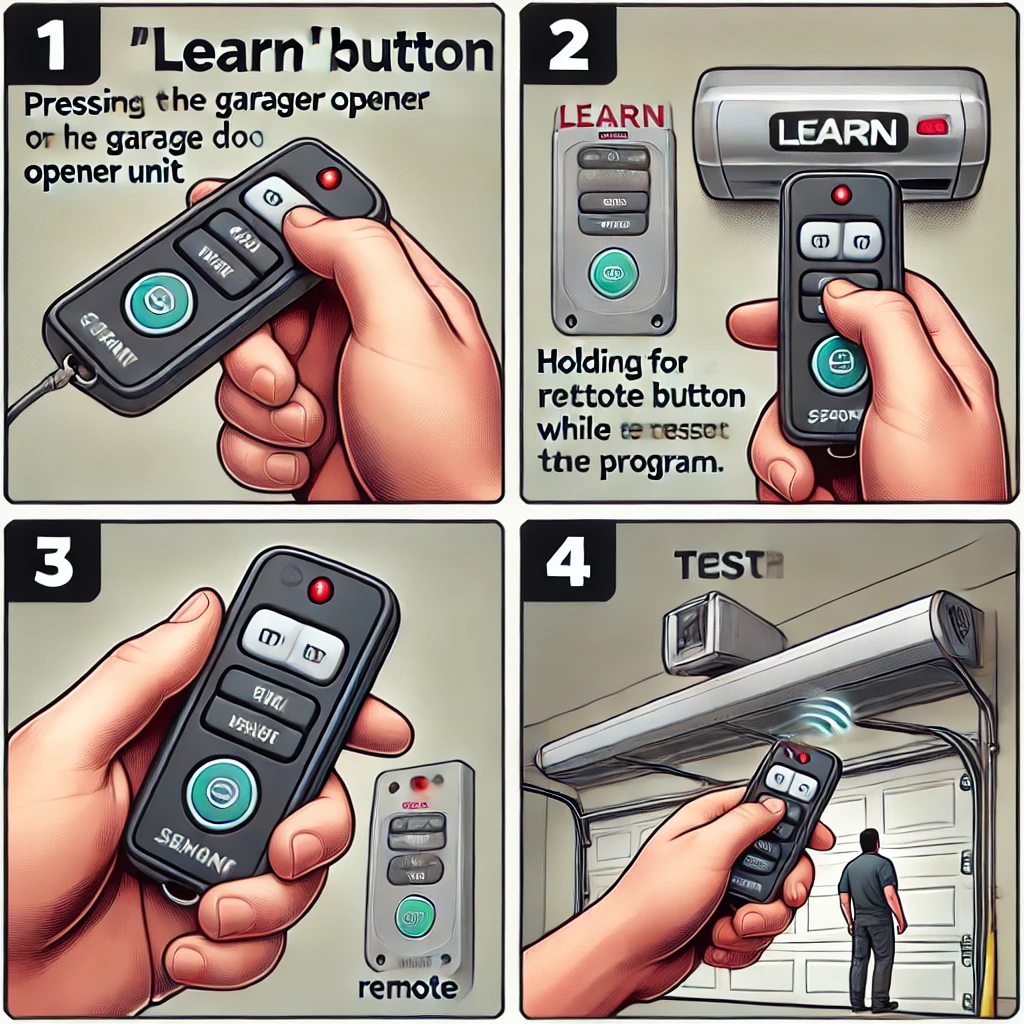
- Slow operation, inconsistent limits, or failure to respond to remotes.
- Excessive vibration or grinding noises.
Opener repairs can be more cost-effective early; if motors fail completely the whole unit may need replacement. Consider upgrading to a quieter belt-drive model if noise is a concern.
Inspection schedule and simple checks for homeowners
Regular garage door maintenance keeps small issues from turning into big repairs. Follow this schedule:
- Monthly: Visual inspection for gaps, loose hardware, and frayed cables; test auto-reverse safety feature.
- Every 6 months: Lubricate rollers (if metal), hinges, and springs per manufacturer recommendations.
- Annually: Professional safety and balance check, including spring cycle assessment and opener diagnostics.
Recording a date or adding a reminder in your phone prevents skipping checks—especially useful with Issaquah’s busy seasons.
Cost ranges and deciding when to call a pro
Costs vary by part quality and labor. Typical replacement ranges (Estimates for Issaquah area):
- Springs: moderate cost for parts, higher for labor; expect a professional replacement rather than DIY.
- Cables and drums: low-to-moderate parts, moderate labor.
- Rollers/hinges: low parts cost, quick labor depending on number replaced.
- Opener unit: moderate-to-high; depends on features (smart controls, battery backup).
Price examples vary; get an inspection and written estimate to compare. If parts show imminent failure (frayed cable, snapped spring, seized motor), call a professional immediately to avoid collateral damage.
Local factors in Issaquah that affect timing
Issaquah’s damp climate and seasonal temperature swings accelerate corrosion and wear. Homes near creeks, lakes, or salt-exposed roads should inspect doors more frequently. Also consider:
- High-cycle households (multiple daily uses) will need parts replaced sooner.
- Older doors and openers may use obsolete parts—plan for upgrades rather than patch fixes.
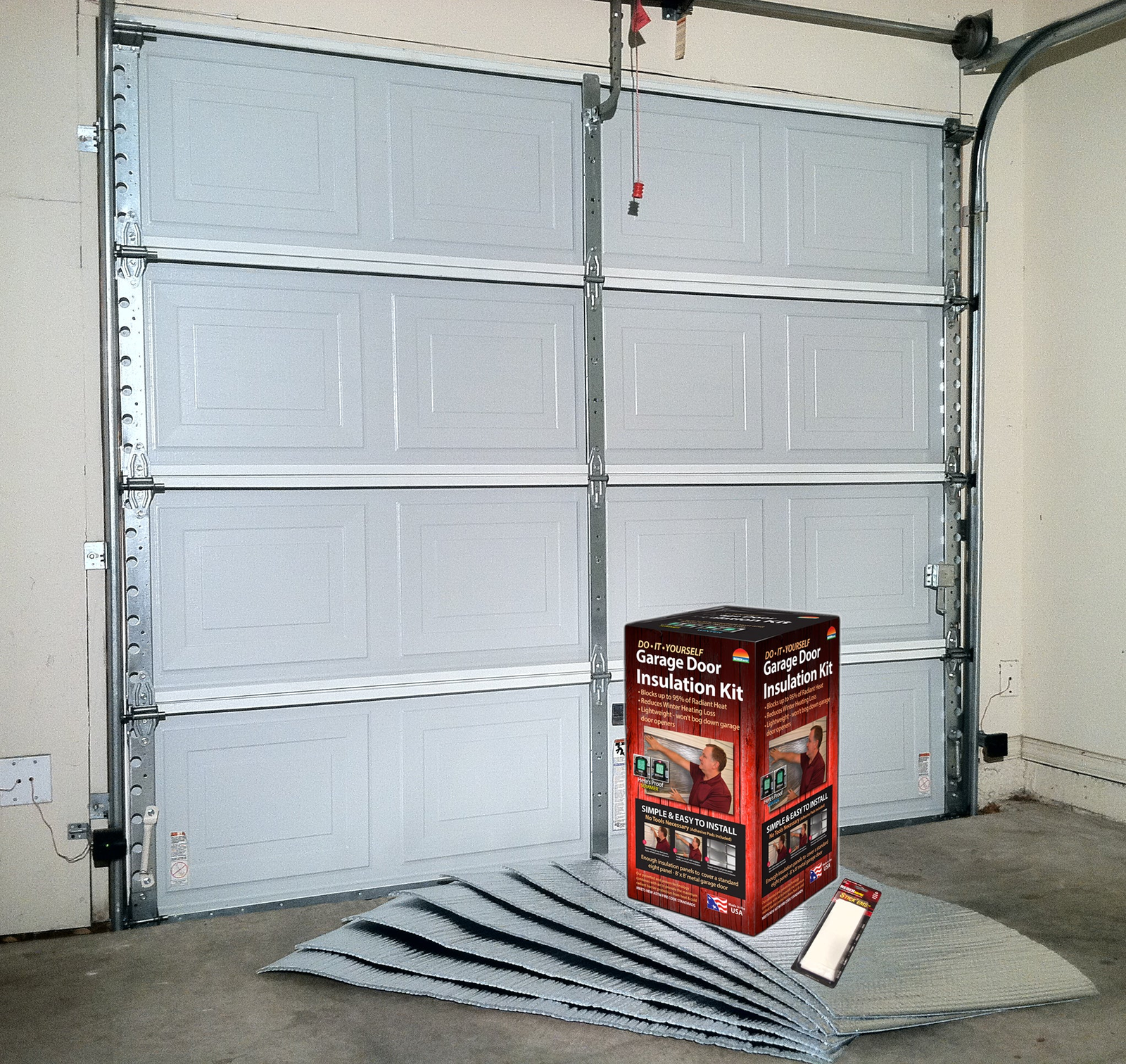
- Energy-efficiency upgrades such as insulated panels and new seals pay back in comfort and reduced stress on the opener.
For more on seasonal care and local tips, see our blog with Issaquah-focused articles.
DIY maintenance vs. professional service
Homeowners can safely perform visual checks, lubrication (where appropriate), and tighten loose hardware. Do not attempt spring or high-tension cable work yourself; those parts require tools and training. When in doubt, request a professional inspection through our contact page.
Choosing parts and warranties
When replacing parts, choose corrosion-resistant finishes and compatible hardware. Ask technicians about warranty options on parts and labor—many manufacturers offer limited warranties on springs and openers. A clear warranty helps you decide whether to repair or replace an older system; short warranties on multiple components may indicate replacement is the better value. See our full list of repair and replacement services for details.
Proactive garage door maintenance saves money and keeps your home secure. If you notice any of the warning signs above, schedule a professional inspection to identify parts that need replacement before they cause bigger problems.
Need help now? Call our Issaquah team for a safety inspection or same-day estimate.
Frequently asked questions — Issaquah, WA
1. How does Issaquah weather affect garage door parts?
Rain and humidity speed corrosion on springs, cables, and exposed hardware. Inspect seals and rollers after prolonged wet periods and replace weatherstripping annually if cracked or compressed.
2. How soon should I replace a spring after it shows wear?
Replace at the first sign of severe rust pitting, visible gaps in the coil, or after a loud snap. A compromised spring can break suddenly and cause the door to fall—contact a technician immediately.
3. What are typical timelines for opener replacement in a residential garage?
Openers typically last 10–15 years depending on use and model. If you experience frequent malfunctions, overheating, or if replacement parts are obsolete, consider replacing the unit.
4. Do I need permits or inspections to replace major garage door components in Issaquah?
Most part replacements do not need a city permit, but full door replacements or structural changes might. Check with Issaquah building authorities for major upgrades; your service provider can advise when a permit is required.
5. What should I budget for a professional safety inspection and repairs?
Inspections are often low-cost or free with repair estimates. Minor repairs (rollers, hardware) run low-to-moderate; springs and openers are higher. Ask for a written estimate and warranty information before work begins.
Helpful local resources in Issaquah, WA
- Garage Door Repair Seattle
- Garage Door Repair Bellevue
- Garage Door Repair Redmond
- Garage Door Repair Kirkland
- Garage Door Repair Mercer Island
- Garage Door Repair Edmonds
- Garage Door Repair Issaquah
- Garage Door Repair Tacoma
- Garage Door Repair Everett
- Garage Door Repair Bothell
- Garage Door Repair Sammamish
- Garage Door Repair Renton
- Garage Door Repair Lynnwood
- Garage Door Repair Woodinville
- Garage Door Repair University Place
- Garage Door Repair Gig Harbor
- Garage Door Repair Lakewood
- Garage Door Repair Puyallup
- Garage Door Repair Mukilteo
- Garage Door Repair Vancouver
- Garage Door Repair Kenmore
- Garage Door Repair Burien
- Garage Door Repair Auburn
- Garage Door Repair South Hill
- Garage Door Repair Yarrow Point
- Garage Door Repair Clyde Hill
- Garage Door Repair Port Townsend
- Garage Door Repair Duvall
- Garage Door Repair Snoqualmie