Keeping Issaquah Homes Safe During Garage Door Repair
If you own a home in Issaquah, WA, safety should come first when scheduling garage door repair. Whether you’re dealing with a stuck opener, noisy rollers, or a broken spring, understanding risks and preparation steps reduces accidents and saves time. This guide focuses on practical, local advice homeowners can use before, during, and after a residential service call.
Pre‑Repair Safety Checklist
A short checklist before any garage door repair visit helps technicians work faster and minimizes hazards.
- Clear the area: remove bikes, tools, and vehicles from the door path.
- Turn off automatic openers and disconnect power at the wall.
- Secure pets and children away from the garage.
- Note unusual noises, sudden drops, or visible cable or spring damage to report to the technician.
Share specific observations with the tech on arrival—this helps reduce diagnostic time for garage door repair and improves accuracy of the estimate.
Tools and parts: what to have ready
For minor residential service tasks, keep basic items handy: a flashlight, gloves, a ladder, and a notepad for model numbers. Don’t attempt spring replacement or cable repairs yourself—these are high‑tension components and belong to trained professionals.
Hiring a Local Pro in Issaquah
Choosing the right technician affects both safety and long‑term performance. A qualified pro will follow manufacturer specs, use rated replacement parts, and secure the work area during garage door repair.
What to ask on the phone
- Are you licensed and insured for residential service in Issaquah, WA?
- Do you use replacement parts that meet or exceed manufacturer ratings?
- Can you provide a clear timeline and written estimate before work starts?
When scheduling, ask whether the tech provides a safety inspection with each job. A checklist‑style inspection should include spring tension, cable condition, roller wear, track alignment, and opener limit settings.
For background reading and safety posts specific to local weather impacts, see our blog for seasonal tips and updates.
Safe On‑Site Procedures Technicians Should Follow
Professional teams use predictable steps to control risk. Confirm the technician will:
- Shut off power to the opener and lock out controls before adjusting hardware.
- Use winding bars and spring tools rated for the spring size when working on torsion systems.
- Support the door with clamps or locking pliers if the springs or cables are not holding load.
- Test safety sensors, manual release, and auto‑reverse functions after repairs.
Never let a technician work alone on a complex spring or cable job without a second person on hand. If you need to book a repair, use the site contact form to reserve a two‑person crew through our contact page.
Simple, Safe Tasks Homeowners Can Do
There are low‑risk maintenance items homeowners can handle to delay costly repairs and improve safety:
- Lubricate rollers, hinges, and springs with a silicone or lithium spray every six months.
- Inspect weatherstripping and replace if cracked to prevent water ingress.
- Check photoelectric sensors for alignment and clean them with a soft cloth.
- Manually open the door periodically to ensure the balance feels even; an off‑balance door signals a spring or cable issue.
These measures complement professional garage door repair and keep systems functioning longer between visits.
Weather, Corrosion, and Issaquah Conditions
Western Washington’s moisture and salt air can accelerate corrosion on hardware and springs. For Issaquah homeowners, include anti‑corrosion checks in your routine.
Seasonal maintenance priorities
- Spring: Inspect for winter storm damage, tighten loose fasteners, and verify opener batteries.
- Summer: Clean tracks and lubricate moving parts to reduce summer‑heat binding.
- Fall: Replace weatherseal, clear gutters above garage roofs, and schedule a pre‑winter inspection.
- Winter: Watch for ice build‑up that can freeze sensors or trap the door; avoid forcing a frozen door.
Proper seasonal care reduces emergency calls and improves long‑term outcomes for any garage door repair in WA.
Costs, Timelines, and Warranties — What to Expect
Understanding common ranges helps homeowners budget and judge estimates during residential service visits.
- Diagnostic fee: Many companies charge a modest trip fee that may be waived if you book the repair.
- Minor repairs (rollers, sensors, opener adjustments): often completed within 1–2 hours.
- Spring or cable replacement: typically a same‑day job but may require special parts; allow 2–4 hours.
- Full door replacement or major opener upgrades: usually scheduled within a few days to a week depending on parts.
Ask for written warranty details on parts and labor. A clear 1‑year labor warranty and manufacturer parts warranty are common; longer coverage is a sign of confidence and quality.
For a clear list of standard services and estimated timelines, review our services page before booking so you know what questions to ask.
Emergency Repairs and Aftercare
If a door drops, binds, or a spring breaks, keep everyone away from the door path and call for emergency service. Do not try to prop the door open with household items—improper supports can fail and cause injury.
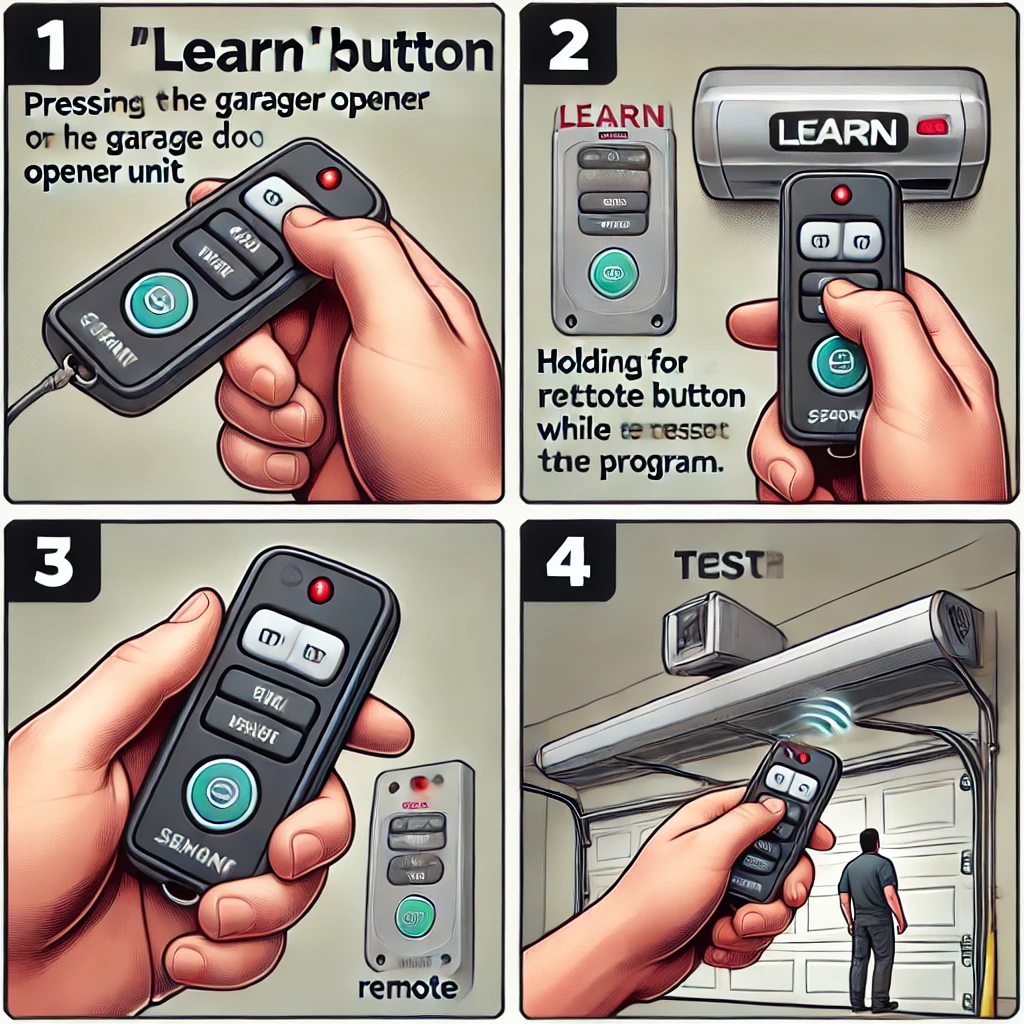
After repair, request a brief walkthrough with the technician to learn basic testing: manual release operation, opener remote programming, and sensor tests. Simple knowledge helps you spot signs of future wear and schedule proactive garage door repair rather than emergency fixes.
Final Safety Tips for Issaquah Homeowners
- Document repairs and keep receipts that list parts and model numbers.
- Schedule annual inspections if you use your garage daily or store heavy items on the torsion shaft side.
- Teach household members how to use the manual release, but keep winding bars and repair tools out of reach.
Following these steps reduces risk and keeps repair work predictable and transparent.
Need a safety inspection or help scheduling a repair in Issaquah? Contact our team via the contact page to request a licensed technician and a thorough safety check.
Frequently Asked Questions — Issaquah Garage Door Repair
Q: How does Issaquah weather affect my garage door, and what should I inspect?
A: Coastal moisture and seasonal temperature swings can corrode springs, fasteners, and rollers. Inspect for rust on springs, track corrosion, cracked weatherstripping, and sensor alignment. Lubricate moving parts every six months and schedule a professional inspection if you notice uneven movement or loud grinding.
Q: How long does a typical spring replacement take in a residential service call?
A: Most torsion spring replacements for a standard two‑car garage take 2–4 hours on site. Time depends on spring sizes, door weight, and whether replacement parts are on hand. Ask the technician to give a time estimate before they start.
Q: What is a reasonable price range for common repairs in Issaquah?
A: Prices vary by job: sensor or roller replacements are lower cost, spring or cable work is midrange, and full door replacement is highest. Get a written estimate; a clear parts and labor breakdown helps you compare bids and verify warranties.
Q: Do I need permits for garage door replacement in Issaquah, WA?
A: Simple repairs rarely require permits. Full door replacements that change structural openings or electrical work may need permits. Your contractor should know local code—confirm permit responsibility before work begins.
Q: What warranties should I expect after a repair?
A: Expect a manufacturer warranty on parts and a labor warranty from the service provider. Common labor warranties run 90 days to one year. Keep written warranty documentation and receipts for future claims.
Helpful local resources in Issaquah, WA
- Garage Door Repair Seattle
- Garage Door Repair Bellevue
- Garage Door Repair Redmond
- Garage Door Repair Kirkland
- Garage Door Repair Mercer Island
- Garage Door Repair Edmonds
- Garage Door Repair Issaquah
- Garage Door Repair Tacoma
- Garage Door Repair Everett
- Garage Door Repair Bothell
- Garage Door Repair Sammamish
- Garage Door Repair Renton
- Garage Door Repair Lynnwood
- Garage Door Repair Woodinville
- Garage Door Repair University Place
- Garage Door Repair Gig Harbor
- Garage Door Repair Lakewood
- Garage Door Repair Puyallup
- Garage Door Repair Mukilteo
- Garage Door Repair Vancouver
- Garage Door Repair Kenmore
- Garage Door Repair Burien
- Garage Door Repair Auburn
- Garage Door Repair South Hill
- Garage Door Repair Yarrow Point
- Garage Door Repair Clyde Hill
- Garage Door Repair Port Townsend
- Garage Door Repair Duvall
- Garage Door Repair Snoqualmie