If you own a home in Issaquah, WA, and are planning a garage door installation or recently completed one, this practical guide will help you spot and fix common problems quickly. Garage door installation can feel straightforward until weather, wear, or misalignment causes issues. This page focuses on clear troubleshooting steps, when to call a pro, and how to protect your investment.
Quick checks after a new garage door installation
After any garage door installation, walk through a short checklist. These quick checks catch installation defects before they become safety hazards or expensive repairs.
- Visual alignment: Doors should sit level with tracks parallel to each other.
- Hardware tightness: Inspect fasteners, brackets, and hinge bolts for snug fit.
- Sensor alignment: Safety sensors should face each other and be free of debris.
- Balance and springs: A properly balanced door stays in place halfway open.
- Remote/test cycles: Run the door through 10 cycles to confirm smooth operation.
If you want maintenance tips or additional resources after installation, visit our services page for routine checks and preventative options.
Common issues and how to troubleshoot them
Door won’t open or close
Often the cause is a simple power or sensor issue. First, check that the opener is plugged in and the breaker hasn’t tripped. If power is fine, inspect the photo-eye sensors at the base of the door track:
- Clear any dirt, spider webs, or snow that might block the beam.
- Confirm both sensors are aligned; a slight bump can knock them out of position.
- Look for LED indicators; most sensors show a green/red light for alignment.
If the door still won’t move, test the manual release. If manual movement feels heavy or uneven, the springs may be incorrectly tensioned — a high-risk item better handled by a licensed technician.
Noisy operation
New installations sometimes squeak or rattle from loose hardware or components bedding in. Common noise sources:
- Loose rollers, hinge bolts, or track fasteners.
- Dry bearings or rollers—lubricate metal parts with a garage-specific lubricant, not WD-40.
- Worn rollers: Nylon rollers are quieter; steel rollers can be noisy and signal faster wear.
If lubrication and tightening don’t help, the noise may indicate misaligned tracks or a faulty opener gear set. Those are installation-level issues a professional should correct to preserve warranty coverage.
Door reverses suddenly or won’t stay closed
If the door reverses part-way down or won’t latch, check travel and force settings on your opener. Modern openers have limit switches and force adjustment screws; if set too sensitively, the opener will reverse at minor resistance. However, do not increase force settings without confirming there’s no binding or damaged weather seal causing resistance.
Gaps, drafts, and weather sealing
In Issaquah’s climate, proper sealing at installation prevents energy loss and water intrusion. Inspect the bottom weatherstrip and perimeter seals:
- Look for uneven compression along the bottom edge when closed.
- Replace split or compressed weatherstripping; it’s inexpensive and quick to swap.
- Confirm threshold strips are installed straight—snow and rain can exploit small gaps.
Electrical, opener, and remote issues
Opener problems range from simple battery swaps to more technical electronic faults. Follow these steps before calling for service.
Remote and keypad troubleshooting
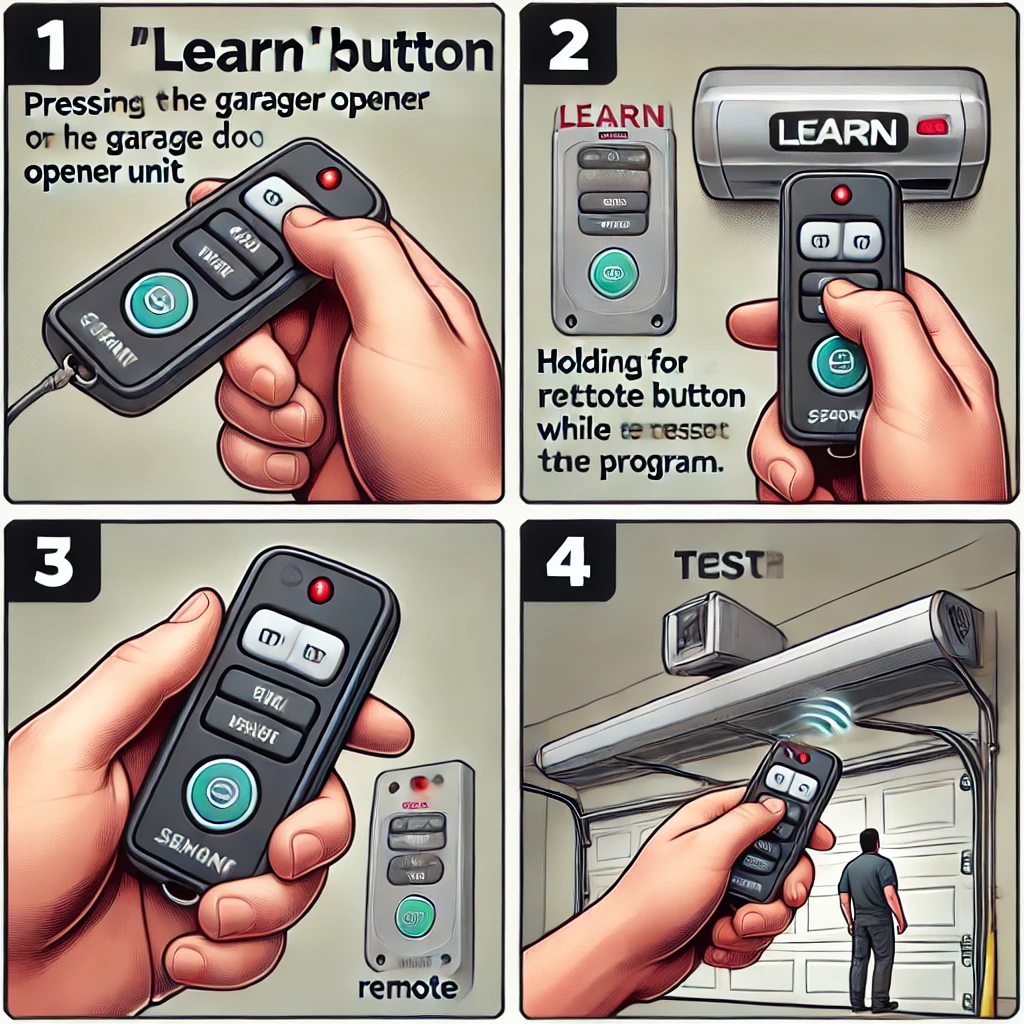
- Replace remote batteries and reprogram the transmitter to the opener per the manual.
- Test the keypad battery and reset codes if the keypad is unresponsive.
- Interference: Wi‑Fi extenders or new electronics in the house can create signal problems; temporarily disable new devices to test.
Opener runs but door doesn’t move
That often points to a disengaged trolley or broken drive gear:
- Use the manual release to confirm the door is free to move manually.
- If the opener motor runs but the trolley doesn’t engage, the drive mechanism may be stripped.
Repairs to opener drive gears or direct-drive components typically require a trained technician and may involve replacing worn plastic parts or the entire motor unit.
When to call a professional in Issaquah
Homeowners can handle visual checks, sensor alignment, lubrication, and weatherstrip replacement. Call a licensed garage door technician for:
- Torsion or extension spring adjustments — they store lethal energy.
- Broken cables, bent tracks, or springs that snap during testing.
- Opener electrical faults beyond battery or simple wiring checks.
- Warranty or code-related issues following a new garage door installation.
If you need an inspection or a warranty-covered adjustment after installation, contact our team via the contact page and we’ll schedule a local visit.
Maintenance checklist to avoid repeat problems
Regular maintenance extends the life of your garage doors and reduces emergency calls. Aim for a basic check every six months, and a full inspection annually.
- Lubricate rollers, hinges, and bearings once or twice a year.
- Tighten loose fasteners and inspect track alignment.
- Test safety reversal sensors and balance the door annually.
- Replace weather seals and bottom pads when cracked or uneven.
- Schedule professional tune-ups to check spring tension and opener limits.
For recurring maintenance plans tailored to local conditions like salt air and seasonal rain, see our routine service options on the blog and services pages.
Local considerations: permits, warranties, and timelines
Issaquah homeowners should confirm any permit requirements before a full garage door replacement. Most single-door replacements do not require a permit, but structural changes to headers, framing, or electrical work often do. Check with the City of Issaquah building department if you’re unsure.
Typical installation timeline: same-day for a single-door swap if parts are in stock. Custom doors or structural repairs can take several days to a week. Warranties vary by manufacturer—keep installation paperwork handy in case warranty service is needed.
Practical pricing expectations for Issaquah residents
Costs vary with door material, opener type, and installation complexity. As a guideline for residential service in the Puget Sound area:
- Basic steel single door with standard opener: lower range.
- Insulated sectional doors or carriage-style doors: mid range.
- High-end custom doors, high-lift tracks, or extensive framing repairs: higher range.
Request a local estimate so pricing reflects installation access, any needed structural work, and local permit costs.
Final tips for a reliable garage door installation
- Keep manuals and warranty papers in a folder after installation.
- Take photos of the installed setup and serial numbers for future service calls.
- Note seasonal issues—sticking in winter or water pooling at the threshold—to address with the installer.
- Choose technicians familiar with Issaquah weather and local code nuances.
When an inspection or professional repair is needed after a garage door installation, our local team is available to help. To schedule an inspection or service call, use our contact page. For routine and specialty services related to residential garage doors, check the services overview for availability and plans.
Protect your investment by addressing small problems early—properly installed and maintained garage doors add curb appeal, security, and energy efficiency to Issaquah homes.
Frequently Asked Questions — Issaquah, WA
Q: Do I need a permit to replace my garage door in Issaquah?
A: Most like-for-like replacements (same opening size, no structural changes) do not need a permit. If you alter headers, framing, or add electrical work, check with the City of Issaquah permitting office before starting.
Q: How long does a typical residential garage door installation take?
A: A standard single-door replacement often finishes the same day (3–6 hours). Custom doors, insulation, or structural repairs can extend the timeline to several days.
Q: Will Issaquah weather affect my new door?
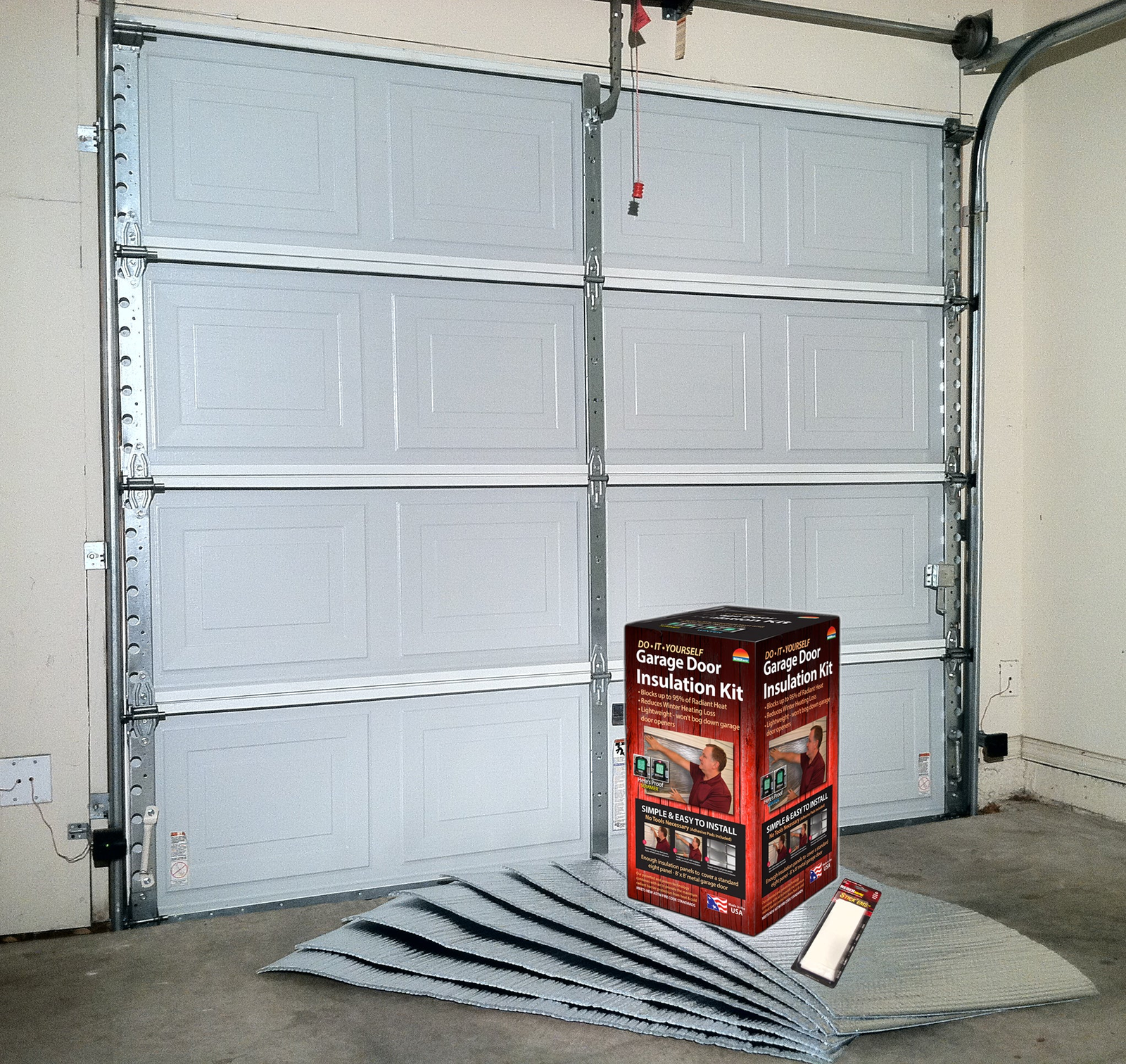
A: Yes. Rain and seasonal temperature swings can affect seals and metal components. Choose rust-resistant hardware, insulated panels, and replace weatherstripping as needed to reduce drafts and corrosion.
Q: What price range should I expect for a quality installation?
A: Prices vary by door material and opener type. Expect a lower cost for basic steel doors, mid-range for insulated sectional doors, and higher costs for custom styles or major structural work. Request a local estimate that includes labor and any permit fees.
Q: Are spring repairs covered under warranty?
A: That depends on the manufacturer and the installer warranty. Springs are wear items; some warranties cover defects but not normal wear. Keep your installation paperwork and contact your installer for warranty clarification.
Helpful local resources in Issaquah, WA
- Garage Door Repair Seattle
- Garage Door Repair Bellevue
- Garage Door Repair Redmond
- Garage Door Repair Kirkland
- Garage Door Repair Mercer Island
- Garage Door Repair Edmonds
- Garage Door Repair Issaquah
- Garage Door Repair Tacoma
- Garage Door Repair Everett
- Garage Door Repair Bothell
- Garage Door Repair Sammamish
- Garage Door Repair Renton
- Garage Door Repair Lynnwood
- Garage Door Repair Woodinville
- Garage Door Repair University Place
- Garage Door Repair Gig Harbor
- Garage Door Repair Lakewood
- Garage Door Repair Puyallup
- Garage Door Repair Mukilteo
- Garage Door Repair Vancouver
- Garage Door Repair Kenmore
- Garage Door Repair Burien
- Garage Door Repair Auburn
- Garage Door Repair South Hill
- Garage Door Repair Yarrow Point
- Garage Door Repair Clyde Hill
- Garage Door Repair Port Townsend
- Garage Door Repair Duvall
- Garage Door Repair Snoqualmie