If you own a home in Issaquah, WA, reliable garage door operation matters for safety, insulation, and curb appeal. This guide gives practical, local-minded tips for homeowners facing common garage door problems and shows when to DIY and when to call a pro. Read on for seasonal checks, cost expectations, and steps to protect your investment in garage door repair.
Quick inspection checklist for every homeowner
A short monthly inspection can prevent many expensive garage door repair jobs. Spend 10–15 minutes and look for things that most Issaquah homes will see after rain and seasonal temperature swings.
- Visual: inspect panels, weatherstripping, and door tracks for dents, gaps, or water damage.
- Balance test: disconnect the opener and manually lift the door halfway—if it drifts, it likely needs spring adjustment.
- Hardware: tighten loose bolts, check rollers for wear, and watch for frayed cables.
- Safety sensors: test auto-reverse by placing a 2×4 on the floor and closing the door; it should reverse on contact.
- Lubrication: apply a silicone-based lubricant to rollers, hinges, and springs once a year (not to nylon parts).
These checks reduce emergency calls and keep small issues from becoming costly garage door repair projects.
Common problems in Issaquah homes and practical fixes
Pacific Northwest weather is hard on moving parts. Here are the typical issues homeowners see and sensible first steps.
1. Noisy operation
Creaking and grinding often come from worn rollers or dry hardware. Start by cleaning debris from the tracks and lubricating metal-to-metal joints. If noise persists, old rollers (steel vs. nylon options) or loose brackets are likely. Replacing rollers is a common garage door repair task a handyman can do, but call a technician if springs or cables look damaged.
2. Door won’t close or reverse unexpectedly
Misaligned sensors, blocked tracks, or misadjusted travel limits cause this. Wipe the photo-eye lenses clean and ensure they face each other with an unobstructed path. If sensors are aligned and the problem continues, opener settings or worn gears may need professional diagnosis.
3. Sagging or unbalanced door
Unbalanced doors usually indicate spring issues. Torsion or extension springs store a lot of energy and can be dangerous. For safety, treat spring replacement as a professional garage door repair job—don’t attempt high-tension spring work at home.
When to DIY and when to hire a pro
Knowing which jobs to try yourself saves money and keeps your family safe. Use this simple rule: light maintenance and low-tension tasks are DIY; anything with high tension, exposed springs, or motors deserves a trained technician.
- DIY-friendly: visual inspections, lubricating moving parts, tightening hardware, replacing weatherstripping.
- Call a pro: spring replacement, cable repair, motor or circuit board replacement, serious track realignment.
If you need guidance on available services or want a professional estimate, review local options and service descriptions on our services page: https://garagedoors-issaquah.com/services.
Cost expectations and budgeting for repairs
Costs vary by part, door type, and whether the job is emergency service. Use these local, realistic ranges to plan:
- Basic maintenance and tune-up: $75–$200.
- Roller or hinge replacement: $100–$300 depending on quantity and part type.
- Spring replacement (single spring): $150–$350; torsion spring systems are generally higher.
- Opener replacement: $300–$700 for common residential units; smart-openers and belt-drive units are at the higher end.
In Issaquah, wet winters can accelerate wear—budgeting for a professional inspection every 1–3 years reduces surprise repair bills.
Weatherproofing and energy savings
Garage doors contribute to home comfort. Simple steps can reduce drafts and heating loss, especially important in the Puget Sound climate.
- Replace compressed or missing bottom seals; a good seal blocks drafts and pests.
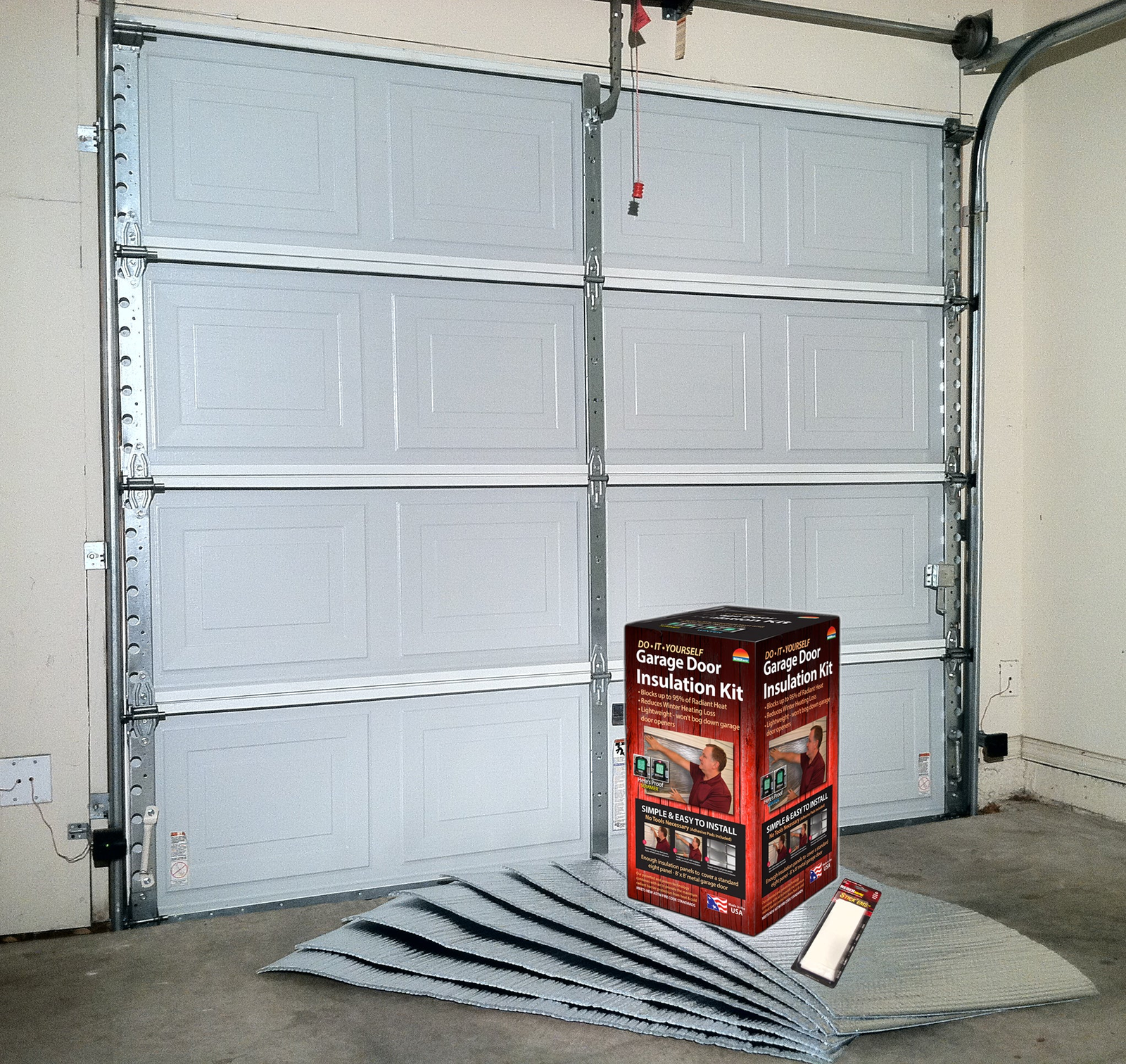
- Insulated panels help stabilize garage temperature and protect stored items.
- Weatherstrip around side jambs and check thresholds for gaps after heavy rain.
These upgrades count as home improvement investments and often increase the longevity of your door while lowering utility costs.
Permits, warranties, and safety regulations
Issaquah homeowners should know local rules and warranty fine print before starting major garage door repair or replacement.
- Permits: Most simple repairs don’t require permits, but full replacements or structural changes may. Check with the Issaquah building department if you plan frame modifications.
- Warranties: Keep manufacturer paperwork for panels, springs, and openers. Some warranties require professional installation to remain valid.
- Safety compliance: New installations must meet UL and CPSC safety standards—licensed installers will follow those rules.
Seasonal maintenance schedule for Issaquah
Following a seasonal routine helps prevent breakdowns and keeps repair costs low:
- Spring: Inspect seals after winter, lubricate hardware, check balance.
- Summer: Test remotes and battery backups; clean tracks and paint or touch up panels if needed.
- Fall: Tighten fasteners and test door balance before wet weather; replace worn weatherstripping.
- Winter: Avoid heavy manual lifting; keep an eye on opener strain and schedule any major work before freezing temperatures.
For more practical tips and case studies from local repairs, read our posts and updates on the blog: https://garagedoors-issaquah.com/blog.
Choosing a local contractor
When you search for help, prioritize contractors who offer clear estimates, local references, and transparent warranties. A residential service provider should explain the repair steps, safety checks, and expected timeline.
If you’re ready to schedule an on-site estimate or emergency service, use our contact page to request a visit from a licensed technician: https://garagedoors-issaquah.com/contact.
Final checklist before any repair
- Document symptoms: noises, timing, weather correlation, and photos of visible damage.
- Check warranty and installer requirements before authorizing work.
- Request a written estimate with parts, labor, and timeline.
- Confirm disposal of old parts and obtain a post-service checklist from the technician.
Taking these steps ensures your garage door repair is predictable, safe, and aligned with Issaquah climate needs. A little proactive care prevents many urgent calls and extends the life of your doors.
Frequently Asked Questions
Do Issaquah homeowners need permits for a full garage door replacement?
Most straightforward replacements of like-for-like doors don’t require a permit. If the job changes the garage framing or header, check with Issaquah building authorities. When in doubt, ask your installer to confirm permit needs before work begins.
How long does a typical garage door repair take in the area?
Minor repairs (rollers, sensors, lubrication) usually take 30–90 minutes. Spring or cable repairs may take 1–3 hours. If parts need ordering, a tech will provide a timeline in the estimate.
What price range should Issaquah residents expect for spring replacement?
Expect $150–$350 for a single spring replacement depending on door weight and spring type; torsion systems on heavier doors cost more. Request a written quote including warranty and labor details.
Does Puget Sound weather affect garage door warranties?
Manufacturers typically don’t void warranties for weather, but they may require professional installation and regular maintenance to remain valid. Keep records of service visits and receipts to protect warranty claims.
How quickly can I get emergency garage door repair after storm damage?
Local contractors commonly offer same-day or next-day emergency service, depending on demand and part availability. For immediate hazards (broken springs or off-track doors), call a licensed technician and avoid operating the door.
Helpful local resources in Issaquah, WA
- Garage Door Repair Seattle
- Garage Door Repair Bellevue
- Garage Door Repair Redmond
- Garage Door Repair Kirkland
- Garage Door Repair Mercer Island
- Garage Door Repair Edmonds
- Garage Door Repair Issaquah
- Garage Door Repair Tacoma
- Garage Door Repair Everett
- Garage Door Repair Bothell
- Garage Door Repair Sammamish
- Garage Door Repair Renton
- Garage Door Repair Lynnwood
- Garage Door Repair Woodinville
- Garage Door Repair University Place
- Garage Door Repair Gig Harbor
- Garage Door Repair Lakewood
- Garage Door Repair Puyallup
- Garage Door Repair Mukilteo
- Garage Door Repair Vancouver
- Garage Door Repair Kenmore
- Garage Door Repair Burien
- Garage Door Repair Auburn
- Garage Door Repair South Hill
- Garage Door Repair Yarrow Point
- Garage Door Repair Clyde Hill
- Garage Door Repair Port Townsend
- Garage Door Repair Duvall
- Garage Door Repair Snoqualmie