Why material choice matters for Issaquah homeowners
Installing smart garage systems in Issaquah, WA means thinking beyond the opener and app. The materials you choose for the door, tracks, weather seals, and insulation affect energy efficiency, noise, longevity, and how well the system integrates with smart openers and sensors. Local weather, garage use, and security expectations guide every practical choice.
Common materials and what they deliver
Each material has predictable strengths and trade-offs. Below are the common options and how they perform with technology, maintenance, and Issaquah’s damp, seasonal climate.
Steel
Steel is the most popular residential option for smart garage systems. It pairs well with modern automatic openers and electronic sensors because panels are rigid and mounting points are stable. Steel is strong, low-maintenance, and readily insulated with foam cores.
- Pros: durable, good for insulation, compatible with heavy-duty smart openers.
- Cons: can dent, may rust if the finish is compromised—important in western Washington humidity.
Aluminum
Aluminum doors are lightweight, and many modern smart openers can handle the reduced inertia easily. Aluminum resists rust, which is helpful near Lake Sammamish and in wetter neighborhoods.
- Pros: corrosion-resistant, low weight, modern aesthetic.
- Cons: dents more easily than steel; may need stiffer hardware for larger doors to reduce rattling with remote operation.
Wood and wood composites
For homeowners focused on curb appeal, wood is attractive and customizable. Wood does require more upkeep in Issaquah’s moist climate. If you choose wood, plan for a sealed finish and regular maintenance to prevent swelling that can interfere with sensors and smart safety edges.
- Pros: high-end look, customizable finishes.
- Cons: more maintenance, sensitive to moisture—may need more frequent adjustments for consistent smart operation.
Fiberglass
Fiberglass blends can mimic wood grain while being more moisture-resistant. They work well with smart systems but check load requirements for larger doors—fiberglass can flex, which sometimes affects sensor alignment.
Insulation and seals: keep your smart systems efficient
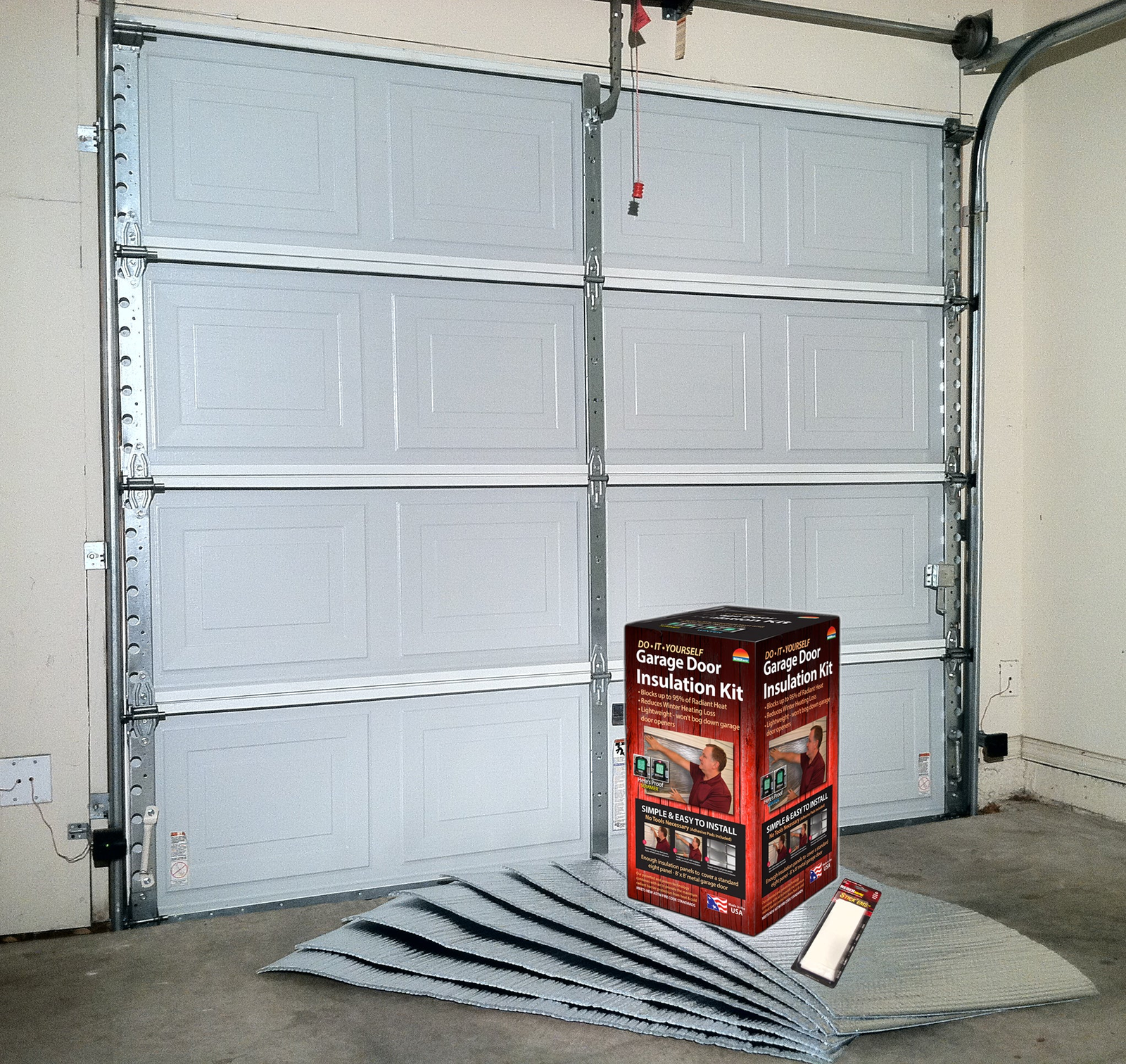
Insulation affects temperature control, opener load, and even sensor performance. In Issaquah’s climate, a door with appropriate R-value will reduce heat transfer and condensation inside the garage.
Common insulation types
- Polystyrene (EPS): affordable, commonly used in steel doors. Good baseline R-value.
- Polyurethane: higher R-value per inch, stiffer panels, better energy performance—recommended if you use the garage as a workshop or want improved noise reduction for the opener.
- No insulation: lighter doors may reduce strain on some openers, but the garage will be colder and more prone to condensation.
Weatherstripping and bottom seals
Quality seals stop drafts and keep out damp. Silicone or EPDM rubber seals perform well in the Pacific Northwest. Proper seals also reduce false triggers from moisture-based sensors and prevent rain-splashed wiring from corroding sensor terminals.
Material compatibility with smart hardware
Smart garage systems rely on sensors, connectivity modules, and precise motion. Material properties affect installation and long-term reliability.
Mounting sensors and smart components
Solid, non-flexing panels (steel, insulated polyurethane cores) provide stable surfaces for sensor mounts and limit vibration that can disrupt magnetic or optical sensors. If your door material flexes, use reinforced mounting plates and check alignment seasonally.
Electromagnetic interference & wiring
Metal doors can shield wireless signals in some edge cases; positioning the Wi‑Fi extender or smart gateway near the opener instead of on the door reduces interference. Weatherproof, rated wiring and sealed connections prevent corrosion and intermittent faults common with repeated wet conditions.
Local considerations: Issaquah weather, building codes, and warranties
Issaquah’s climate and local code expectations should influence choices for your smart garage system.
Weather and moisture
Choose rust-resistant finishes for metal doors and sealed edges on wood doors. If you live near Lake Sammamish or in a valley pocket, prioritize higher-grade seals and finishes to prevent moisture intrusion that can affect electronics and cause bubbling or warping.
Permits and HOA rules
Many residential jobs don’t require city permits for garage door replacement, but changes that affect structure or electrical systems may. Check HOA guidelines for material and color restrictions before selecting custom wood or specialty finishes.
Warranties and local serviceability
Pick materials supported by local service providers. Warranties vary by manufacturer and may exclude damage from coastal moisture. For help comparing covered items and local service options, see our services page to confirm what installers will support after purchase.
Practical selection checklist for smart garage systems
Use this short checklist when planning upgrades or new installations in Issaquah:
- Match door material to usage: insulated steel or polyurethane for workshops; aluminum for lightweight modern doors.
- Choose weatherstripping rated for PNW moisture (EPDM or silicone).
- Confirm opener capacity and counterbalance for heavier insulated doors.
- Plan for secure, weatherproof wiring and elevated smart gateways to avoid signal blockage.
- Verify local permits and HOA requirements before ordering a custom door.
- Schedule a professional on-site assessment if you have an attached garage or integrated systems.
For more articles and local guides about upgrades and maintenance, visit our blog.
Installation and maintenance: what Issaquah homeowners should expect
Professional installation ensures load balancing, sensor alignment, and secure mounting of smart modules. Typical timelines for a full door replacement and smart system integration are one day for standard single-car doors and one to two days for larger or custom jobs. If electrical work or permit inspections are needed, add time accordingly.
If you’re ready to schedule an on-site review or need help matching materials to a smart opener, contact our local team to set a convenient appointment. Below is a fast way to call us now.
Choosing the right materials for smart garage systems reduces long-term costs, improves reliability in Issaquah’s climate, and ensures a smoother integration between physical hardware and smart controls.
Frequently Asked Questions
Q: How does Issaquah weather affect material choice for smart garage systems?
A: Damp, seasonal weather increases the risk of rust and seal failure. Choose rust-resistant finishes, EPDM or silicone seals, and consider polyurethane-insulated panels to reduce condensation and protect electronics.
Q: How long does it take to install a new door with smart system integration in Issaquah?
A: Standard single-car door replacements with smart opener setup typically take one day. Larger or custom doors can take one to two days; add time if electrical permits or inspections are required.
Q: What price range should Issaquah homeowners expect for quality materials with smart upgrades?
A: Expect a basic steel insulated door with smart opener to start in the lower thousands. Upgraded polyurethane insulation, custom wood veneers, or heavy-duty hardware can push total costs higher—request an on-site quote for accurate pricing.
Q: Do warranties cover damage from Pacific Northwest moisture?
A: Warranties vary. Some manufacturers exclude damage from prolonged moisture exposure or require specific finishes and maintenance. Keep records of maintenance and choose materials with corrosion-resistant coatings for better coverage.
Q: Will a heavier insulated door damage my smart opener?
A: Not if the opener is rated for the door’s weight and the door is balanced correctly. Professional installers check springs, tracks, and opener capacity during installation to prevent premature wear.
Helpful local resources in Issaquah, WA
- Garage Door Repair Seattle
- Garage Door Repair Bellevue
- Garage Door Repair Redmond
- Garage Door Repair Kirkland
- Garage Door Repair Mercer Island
- Garage Door Repair Edmonds
- Garage Door Repair Issaquah
- Garage Door Repair Tacoma
- Garage Door Repair Everett
- Garage Door Repair Bothell
- Garage Door Repair Sammamish
- Garage Door Repair Renton
- Garage Door Repair Lynnwood
- Garage Door Repair Woodinville
- Garage Door Repair University Place
- Garage Door Repair Gig Harbor
- Garage Door Repair Lakewood
- Garage Door Repair Puyallup
- Garage Door Repair Mukilteo
- Garage Door Repair Vancouver
- Garage Door Repair Kenmore
- Garage Door Repair Burien
- Garage Door Repair Auburn
- Garage Door Repair South Hill
- Garage Door Repair Yarrow Point
- Garage Door Repair Clyde Hill
- Garage Door Repair Port Townsend
- Garage Door Repair Duvall
- Garage Door Repair Snoqualmie