Homeowners in Issaquah, WA know our weather can be wet, windy and cold — and that means extra care for smart garage systems. This guide lays out clear, local weatherproofing steps to protect sensors, openers and door seals so your smart garage systems keep working through rain, wind and seasonal temperature swings.
Why weatherproofing matters for smart garage systems
Smart garage systems combine electronics, mechanical parts and seals. Water intrusion, condensation and salty air can cause false sensor readings, corroded components and reduced lifespan. Weatherproofing minimizes repairs, keeps safety features reliable and preserves insulation value for the whole house.
Quick inspection checklist (do this first)
- Visual check of door panels and bottom seal for cracks or gaps.
- Inspect exterior weatherstripping on sides and top for wear.
- Look at opener and wall-mounted control for moisture, rust or frayed wiring.
- Test sensors and keypad responsiveness in wet conditions.
- Confirm Wi‑Fi range and signal strength inside the garage.
If you find problems, document them with photos and notes before calling a technician.
Practical weatherproofing steps for homeowners
Below are fixes you can do yourself and upgrades best left to professionals. Prioritize sealing and drainage first; electronics are protected best when water is kept out.
DIY fixes
- Replace worn bottom rubber seal. This is the first line of defense against rain and drafts.
- Install or replace PVC threshold to improve water shedding at the door base.
- Apply exterior-rated caulk around trim gaps where water can enter the garage structure.
- Use dielectric grease on visible electrical connections to reduce corrosion risk (do not apply to sensor lenses).
- Move Wi‑Fi access points closer to the garage or add a mesh node to maintain reliable connectivity for your smart garage systems.
Recommended professional services
- Replace or upgrade weatherstripping with commercial-grade seals designed for Pacific Northwest climates.
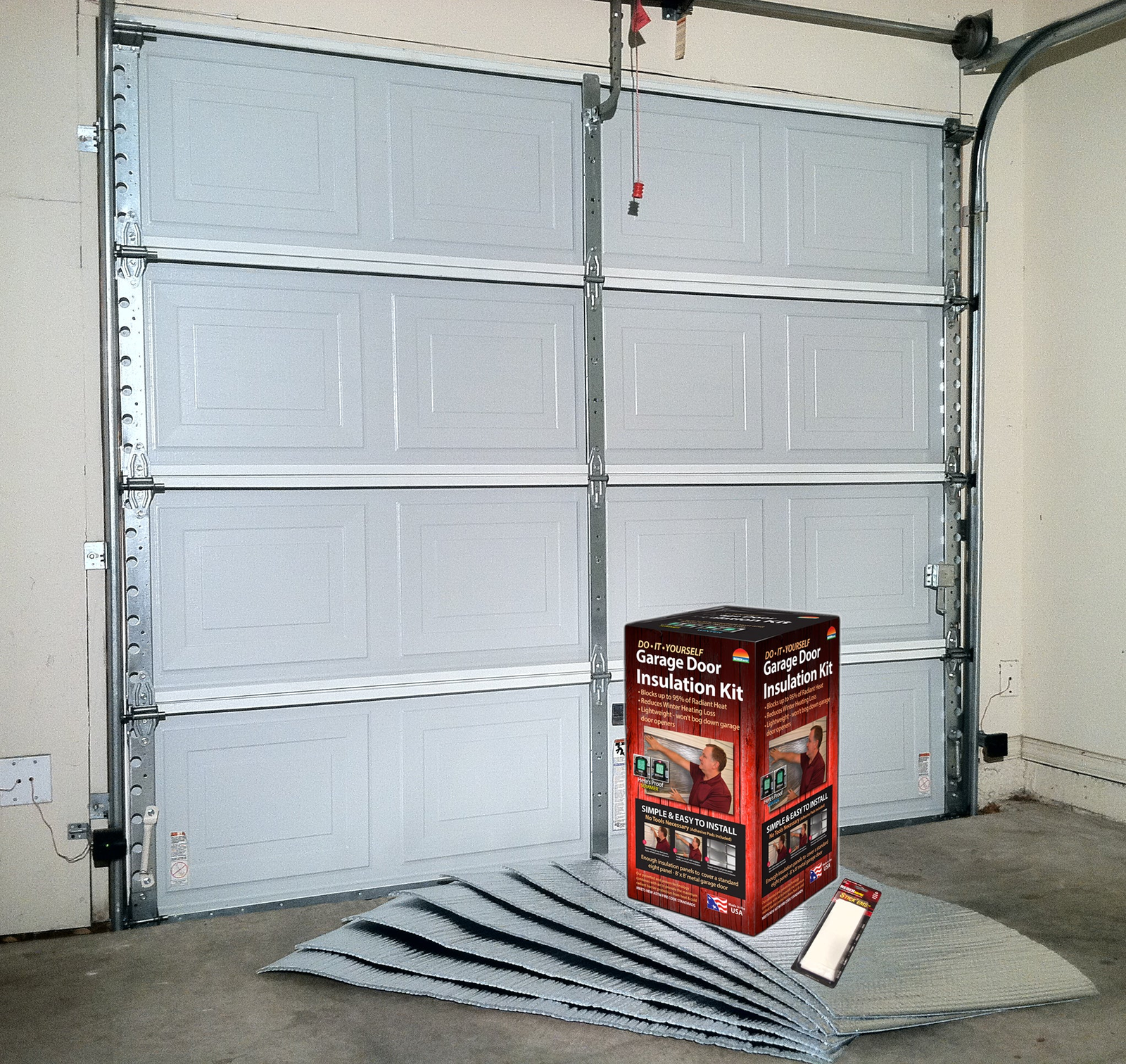
- Install insulated panels or upgrade to an insulated garage door to control condensation and improve energy efficiency.
- Mount smart opener units inside a dry enclosure or use weather-rated housings when exposed to damp air.
- Realign or re-mount sensors so they stay clear of pooled water and irrigation spray.
- Improve garage drainage and exterior grading to direct water away from the foundation and door threshold.
For help evaluating upgrades and timing, see our list of services and options on the company services page: https://garagedoors-issaquah.com/services.
Protecting sensitive components
Electronics in smart garage systems are vulnerable to moisture and temperature swings. Focus on these targets:
- Opener motor: keep the unit elevated and sheltered; consider a drip shield if the overhead is unsealed.
- Rolling code keypads and exterior controls: use weather-rated covers and check batteries seasonally.
- Door sensors: ensure sensors are mounted clear of puddles and use anti-corrosion mounts where possible.
Smart locks and cameras
Cameras and smart locks mounted near the garage door need weatherproof housings and regular lens cleaning. Maintain firmware updates and test remote access during wet weather to confirm signal stability.
Materials and products that hold up in WA
Choose materials rated for the Pacific Northwest. Corrosion-resistant metals, EPDM or neoprene seals, and stainless-steel fasteners extend life. Use outdoor-rated adhesives and caulks rated for sustained moisture exposure.
Insulation and energy benefits
Upgrading insulated garage doors improves temperature stability, reducing condensation on smart components and improving HVAC efficiency for attached homes. Insulation also reduces noise and extends opener motor life by lowering workload.
When to call a pro and what to expect
Call a qualified technician if you notice persistent water entry, recurring sensor failures, rusted hardware, or if the opener shows electrical faults. In Issaquah, weather-related issues are common in fall and winter; technicians schedule more service calls then, so plan ahead.
- Typical timeline: diagnostic visit (same week or within 48–72 hours during off-peak), repairs same day or scheduled within 3–7 days for parts.
- Price ranges: simple seal replacements often run lower cost; wiring, opener enclosures, and insulated door replacement are higher—ask for a written estimate.
- Warranties: most new doors and openers include manufacturer warranties; professional installations usually add a workmanship warranty—get terms in writing.
Need a local estimate? Use our contact page to request an on-site assessment: https://garagedoors-issaquah.com/contact.
Maintenance plan checklist for reliable smart garage systems
- Seasonal inspections: spring and fall checks to spot seal wear and sensor alignment issues.
- Monthly: clear debris from tracks and test auto-reverse and remote connectivity.
- Annually: professional tune-up to lubricate hardware, test opener chain/belt tension and verify electrical safety.
For regular maintenance and emergency repairs in Issaquah, see our blog for seasonal tips and scheduling: https://garagedoors-issaquah.com/blog.
Local permitting, safety, and compliance notes
Most weatherproofing tasks are considered maintenance and do not require permits, but replacing a garage door or altering structural framing can. Check Issaquah building department rules before major door replacements or structural changes. Always prioritize safety: disconnect power before working near openers and avoid DIY electrical fixes unless licensed.
Final checklist before winter
- Replace bottom seal and check thresholds.
- Confirm opener and sensors are dry and firmware is current.
- Improve drainage away from the door and garage foundation.
- Schedule a professional tune-up if it hasn’t been done in the last 12 months.
Following these steps will keep smart garage systems operating reliably through Issaquah’s wet months and protect your home investment. For tailored guidance, on-site estimates, and professional weatherproofing, contact a licensed garage door technician near you.
Frequently asked questions — Issaquah, WA
Q: How does Issaquah rain affect smart garage systems?
A: Persistent moisture can corrode contacts, fog camera lenses and cause false sensor trips. Focus on seals, drainage and sheltered enclosures for openers and exposed electronics to reduce failures.
Q: What is a typical timeline for weatherproofing an existing smart garage system?
A: A basic weatherproof service (seal replacement, sensor check, threshold) can often be completed in 1–3 hours. Upgrades like insulated doors or rerouting wiring may require a full day with parts ordered separately.
Q: Should I expect permits for a garage door replacement in Issaquah?
A: Replacing like-for-like usually does not require a structural permit, but full-frame changes or altering drainage and roof lines may. Verify with Issaquah City building department for major projects.
Q: What price range should I budget for weatherproofing work?
A: Simple maintenance and seal replacement are low-cost. Expect higher budgets for insulated door replacements, opener enclosures or electrical work. Always request a written estimate with line-item costs.
Q: Do weatherproofing upgrades affect my warranty?
A: Properly installed weatherproofing typically protects warranty coverage. DIY modifications that alter factory-installed components may void warranties—use certified installers for major changes.
Helpful local resources in Issaquah, WA
- Garage Door Repair Seattle
- Garage Door Repair Bellevue
- Garage Door Repair Redmond
- Garage Door Repair Kirkland
- Garage Door Repair Mercer Island
- Garage Door Repair Edmonds
- Garage Door Repair Issaquah
- Garage Door Repair Tacoma
- Garage Door Repair Everett
- Garage Door Repair Bothell
- Garage Door Repair Sammamish
- Garage Door Repair Renton
- Garage Door Repair Lynnwood
- Garage Door Repair Woodinville
- Garage Door Repair University Place
- Garage Door Repair Gig Harbor
- Garage Door Repair Lakewood
- Garage Door Repair Puyallup
- Garage Door Repair Mukilteo
- Garage Door Repair Vancouver
- Garage Door Repair Kenmore
- Garage Door Repair Burien
- Garage Door Repair Auburn
- Garage Door Repair South Hill
- Garage Door Repair Yarrow Point
- Garage Door Repair Clyde Hill
- Garage Door Repair Port Townsend
- Garage Door Repair Duvall
- Garage Door Repair Snoqualmie